
How Much Should You Pay for a Used Tesla Model 3 in 2026?
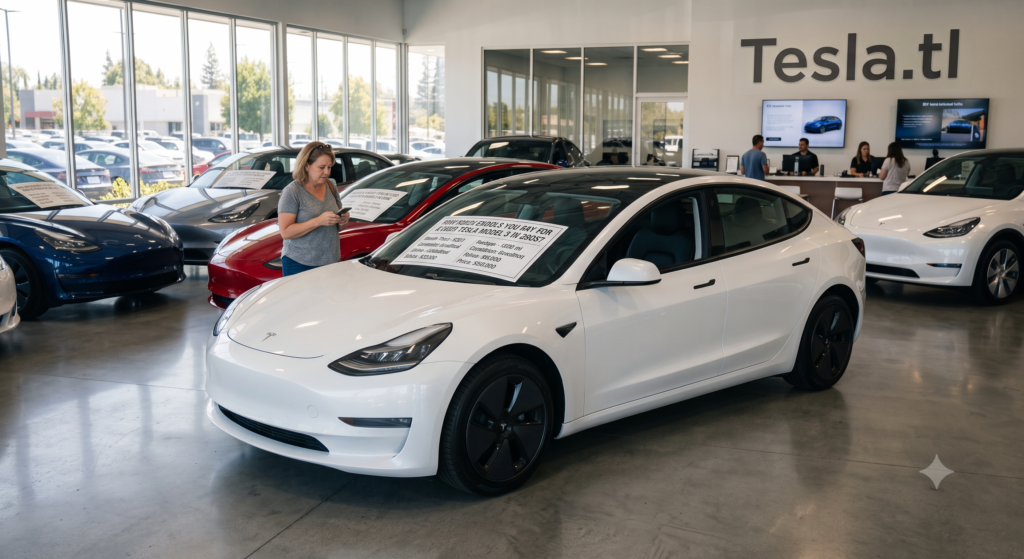
Navigating the used Tesla Model 3 market in 2026 can feel like trying to hit a moving target in the dark. Prices that seemed outrageous in 2024 now look like bargains, while listings that appear temptingly cheap often hide expensive surprises beneath their sleek exteriors. With the Model 3 now in its eighth year of global production, the secondary market has matured into a complex ecosystem where identical model years with similar mileage can command prices separated by ten thousand dollars or more depending on factors that casual buyers frequently overlook. Understanding exactly what constitutes a fair price in this environment is not merely about saving money—it is about avoiding the financial trap of overpaying for a degraded battery, obsolete hardware, or a vehicle with a compromised history that will drain your wallet long after the initial purchase excitement fades.
This comprehensive pricing guide breaks down the real-world cost of buying a used Tesla Model 3 in 2026 across every major model year, trim level, and condition category. We examine how battery health, Full Self-Driving status, regional demand, seasonal fluctuations, and hidden ownership costs should influence the number you write on the check. Whether you are hunting for a sub-$20,000 commuter or a nearly-new Highland with all the options, this analysis gives you the concrete data and negotiation framework you need to pay exactly what the car is worth—and not a dollar more.
Understanding the 2026 Used Model 3 Market Landscape
The used Tesla Model 3 market in 2026 looks nothing like it did during the pandemic-era supply shortages or the subsequent price wars of 2023. Production volumes have finally caught up with demand, Tesla has introduced multiple new models that siphon attention from the aging Model 3 sedan, and a wave of early lease returns and trade-ins has flooded the market with inventory. This oversupply has created a buyer’s market in most regions, but it has also introduced a dangerous phenomenon: desperate sellers listing vehicles with hidden defects at prices that seem too good to refuse.
At the same time, the Highland refresh has created a clear two-tier market. Pre-Highland vehicles from 2017 through mid-2023 continue their steady depreciation curve, while Highland examples from late 2023 onward hold value more aggressively due to their modernized interiors, improved aerodynamics, and Hardware 4 capabilities. Buyers must decide early in their search which generation they are targeting, because comparing prices across the generational divide is like comparing two different vehicles entirely.
The Five Factors That Determine Every Price Tag
Before examining specific dollar amounts, understand the five variables that move prices more than any others in the used Model 3 market.
1. Battery Health and Verified Range A Model 3 Long Range that originally delivered 310 miles but now shows only 240 miles at full charge is worth substantially less than an identical car retaining 285 miles. Sellers rarely advertise degradation honestly, which is why third-party battery reports have become the most powerful negotiation tool a buyer can wield. Expect to pay a 10% to 15% premium for vehicles with documented 90% or better battery retention.
2. Autopilot Hardware Generation Cars equipped with Hardware 3 (HW3) command higher prices than HW2.5 vehicles because they support current and future Full Self-Driving iterations. In 2026, the hardware gap has become a genuine dealbreaker for tech-forward buyers, and sellers know it. A late-2023 pre-Highland with HW3 can sometimes outsell an early-2024 Highland if the newer car lacks the software package the buyer wants.
3. Full Self-Driving Transfer StatusFSD remains the most misunderstood value component in used Tesla transactions. A permanent FSD license that successfully transfers to the new owner can legitimately add $6,000 to $10,000 to a vehicle’s value. However, subscription-based FSD, software locked to the previous owner’s account, or vehicles with hardware incompatible with modern FSD features are worth zero additional dollars. Never pay an FSD premium without verifying transferability directly through Tesla.
4. Warranty Remaining Tesla’s new vehicle warranty covers four years or 50,000 miles, while the battery and drive unit warranty extends to eight years or 120,000 miles depending on the trim. A 2023 Model 3 with 25,000 miles still enjoys nearly two years of comprehensive coverage, making it far more attractive than a 2021 with 48,000 miles that is already out of warranty. Buyers should calculate the value of remaining warranty at roughly $1,500 to $2,500 per year.
5. Geographic Location and Local Demand Prices in California and Texas, where EV adoption is highest and Supercharger density is greatest, tend to run 5% to 10% higher than in the Midwest or rural Southeast. Conversely, sellers in cold-climate regions often discount their vehicles more aggressively because winter range loss and salt exposure make Teslas less appealing to local buyers. Shopping outside your immediate area can yield significant savings if you are willing to arrange shipping or a fly-and-drive purchase.
Price Ranges by Model Year and Trim (Mid-2026)
The following ranges represent fair market prices for clean-title vehicles with no accidents, average mileage for their year, and no major mechanical issues. Prices assume private-party sales; dealer and Tesla inventory listings typically run 8% to 12% higher.
2018–2019 Model Years These earliest examples have largely depreciated into genuine bargain territory. A 2018 Standard Range Plus with 80,000 to 120,000 miles typically trades between $15,500 and $19,500, while a 2018 Long Range in similar condition commands $18,000 to $22,500. The 2019 models, benefiting from improved build quality, add roughly $1,500 to $2,500 across the board. However, buyers must budget an immediate $1,000 to $2,500 for likely suspension refresh, 12-volt battery replacement, and potential touchscreen refurbishment.
2020–2021 Model Years This period represents the sweet spot for many value hunters. The 2021 introduction of the heat pump dramatically improved winter efficiency, making these cars far more practical in northern climates. A 2020 Standard Range Plus with 40,000 to 70,000 miles should cost between $19,000 and $23,500. The 2020 Long Range runs $23,000 to $27,500, while 2021 Long Range examples with the heat pump command $25,000 to $30,000. The 2021 Performance remains desirable for enthusiasts, typically trading between $28,500 and $33,000 depending on tire condition and whether track use is documented.
2022–2023 Model Years Late pre-Highland vehicles offer modern hardware without the Highland price premium. A 2022 Standard Range Plus with 20,000 to 45,000 miles generally lists between $24,000 and $28,000. The 2022 Long Range commands $28,500 to $33,500, while the 2023 Long Range with low mileage can still reach $31,000 to $36,000. Performance variants from these years hold value stubbornly, with clean examples trading between $32,000 and $38,000. These cars often retain meaningful warranty coverage, justifying their higher prices.
2024–2025 Highland Models The refresh has stabilized in value after its initial depreciation hit. A 2024 Highland Rear-Wheel Drive with 10,000 to 25,000 miles typically costs $33,000 to $38,000, while the Highland Long Range demands $36,000 to $42,000. The Highland Performance, still relatively rare on the used market, can command $40,000 to $46,000 if equipped with FSD and premium options. These prices are only 15% to 20% below new MSRP, reflecting strong demand for the updated design and HW4 hardware.
Hidden Costs That Inflate the Real Purchase Price
The sticker price on the listing is never the final number. Smart buyers calculate the total acquisition cost before making an offer.
Sales Tax and Registration Depending on your state or country, sales tax can add 4% to 10% to the purchase price. Some jurisdictions offer EV rebates or reduced registration fees for electric vehicles, while others impose annual surcharges to offset lost gasoline tax revenue. Research your local regulations before setting your budget ceiling.
Transportation and Inspection If you purchase outside your region, enclosed shipping for a Model 3 typically costs $800 to $1,500 depending on distance. A pre-purchase inspection by a Tesla specialist or mobile mechanic adds another $200 to $400. These costs are non-negotiable if you want to avoid buying a lemon sight unseen.
Immediate Maintenance and Tires Nearly every used Model 3 on the market needs something immediately. Tires with less than 5/32″ tread depth require replacement ($600–$1,200 for a quality set). A failing 12-volt battery ($150–$300), worn suspension bushings ($400–$800), or degraded cabin air filters ($50–$100) are common. Add $1,500 to $3,000 to any purchase price to cover these inevitable first-year expenses.
Insurance Surprises Tesla’s aluminum-intensive construction and proprietary repair procedures make insurance costs unpredictable. Some carriers classify Teslas as luxury vehicles and charge premiums comparable to BMW or Mercedes. Others offer Tesla-specific policies with usage-based discounts. Obtain quotes before buying; a $20,000 Model 3 can easily carry $2,000 annual premiums if you are young, urban, or have a less-than-perfect driving record.
Don’t risk overpaying for a used Model 3 with hidden battery degradation or locked software features. At Tesla.tl, every listing includes transparent pricing analysis, verified battery health reports, and confirmed Supercharger status so you know exactly what you are getting before you make an offer. Browse fair-priced, inspected inventory and buy with confidence at https://tesla.tl/.
Negotiation Strategies for the 2026 Market
In today’s buyer-friendly environment, you have more leverage than at any point in the past five years. Use it effectively.
Lead with Data, Not Emotion Sellers often price their vehicles based on sentimental attachment or outdated market perceptions. Present printed comparable sales from Tesla.tl or other verified marketplaces showing identical model years with lower prices. If the battery health is below 85%, calculate the cost of eventual degradation and deduct it from your offer.
Target Cars Listed for 30+ Days Listings that have sat unsold for a month or more indicate an unmotivated seller, an overpriced vehicle, or hidden issues that other buyers have already discovered. These are your best opportunities for aggressive negotiation. Offer 10% below asking and justify it with specific inspection findings.
Bundle Your Requests Instead of simply asking for a lower price, request that the seller address maintenance items before sale. Ask for new tires, a 12-volt battery replacement, or a professional detail. Many sellers will reduce the price by the cost of these items rather than performing the work themselves, giving you immediate equity.
Walk Away from FSD Ambiguity If the seller cannot prove FSD transferability through a Tesla account screenshot, refuse to pay any premium for it. Treat the car as a base Autopilot vehicle and price your offer accordingly. This single tactic can save you $5,000 or more.
Seasonal Timing and Regional Arbitrage
Prices for used Model 3 vehicles fluctuate predictably throughout the year. January and February typically see the lowest prices as sellers who received new Teslas for Christmas dump their old cars into a cold-weather market with reduced demand. Conversely, April through June brings higher prices as tax refund season injects cash into the buyer pool and warmer weather increases EV enthusiasm.
Geographic arbitrage remains viable in 2026. A Model 3 in Florida or Arizona may list for 8% less than an identical car in Seattle or Portland simply because the local market is saturated and summer heat has accelerated cosmetic wear. Buyers in the Northeast and Midwest can save substantially by purchasing from southern states, provided they budget for rust inspection and potential suspension refresh due to rougher northern roads the car will face.
Final Verdict: Setting Your Budget
For buyers entering the used Model 3 market in 2026, the following budget tiers represent rational starting points:
- Under $22,000: Target 2018–2019 Standard Range Plus or early Long Range examples. Accept that immediate maintenance will be required and that battery degradation may limit long-range usability.
- $22,000–$30,000: The value sweet spot. Shop for 2020–2021 Long Range models with the heat pump and documented service history. This tier offers the best balance of modern features, remaining range, and affordability.
- $30,000–$38,000: Late pre-Highland 2022–2023 models with low mileage and remaining warranty. Ideal for buyers who want current hardware without paying the Highland premium.
- $38,000+: Highland territory. Only pay these prices if you specifically need the updated interior, rear passenger screen, ventilated seats, and HW4 future-proofing. Ensure the vehicle includes transferable FSD or negotiate aggressively without it.
Never let a low monthly payment distract you from the total cost of ownership. A cheap 2018 Model 3 that needs $4,000 in repairs within six months is more expensive than a well-maintained 2021 purchased at fair market value.
Ready to find a used Tesla Model 3 at the right price? Explore thousands of verified listings with transparent pricing, battery health verification, and seller history at Tesla.tl. Filter by your exact budget, model year, and trim to see only the cars that match your financial plan. Visit https://tesla.tl/ and drive away knowing you paid exactly what your Model 3 is worth.
