
Buying a Used Tesla Model Y: 7 Things Most First-Time Buyers Miss
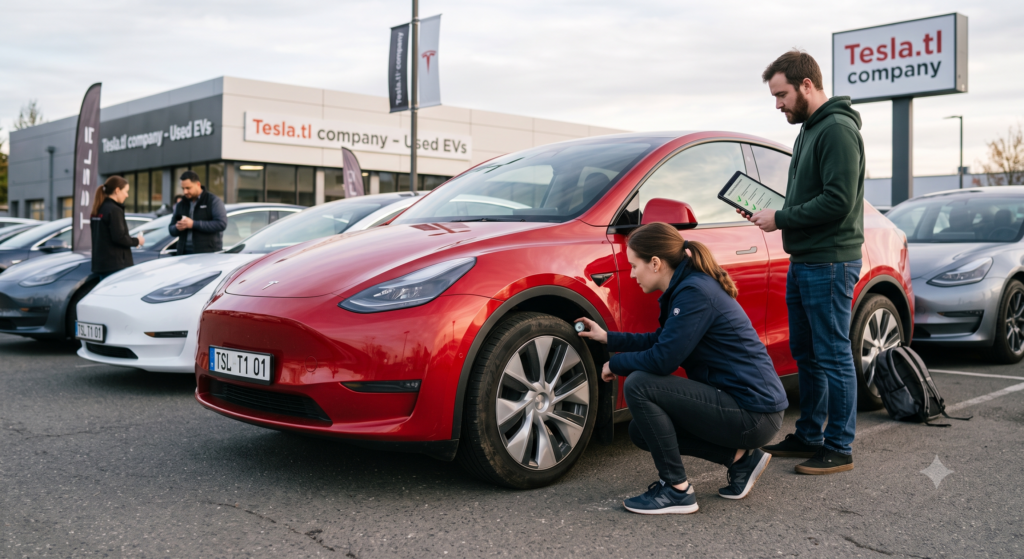
The Tesla Model Y has become the default choice for families transitioning to electric mobility, offering crossover practicality, access to the Supercharger network, and the tech-forward experience that defines the brand. But for first-time used EV buyers, the Model Y presents unique inspection challenges that traditional gasoline shoppers are simply not trained to recognize. You cannot kick the tires and listen for engine knocks. The battery has no dipstick. The “exhaust” is silent. And the most expensive mistakes are often invisible to the untrained eye, buried in software menus, sealed behind glass roofs, or hidden in the rear hatch alignment that looks fine until the first thunderstorm.
After years of aggregating owner reports, service data, and marketplace transactions, we have identified the seven most commonly overlooked issues that trip up first-time Model Y buyers. These are not the obvious checklist items like tire tread depth or brake pad thickness. These are the subtle, expensive, and genuinely frustrating problems that only reveal themselves after the purchase is complete—when it is too late to renegotiate.
1. The Heat Pump Lottery: 2020 vs. 2021 and Beyond
Perhaps no single component generates more post-purchase regret than the heat pump, and first-time buyers routinely fail to verify whether the vehicle they are considering actually has one. The 2020 Model Y—the inaugural model year—was equipped with a resistive cabin heater, an older technology that generates warmth by passing electrical current through a heating element. It works. It is simple. But it is catastrophically inefficient in cold weather, drawing enormous amounts of energy from the 75 kWh battery pack and slashing real-world range by 25% to 35% in freezing conditions.
The 2021 Model Y introduced the heat pump, which scavenges ambient thermal energy and waste heat from the powertrain to warm the cabin using a fraction of the electricity. The difference is transformative. A 2021 Long Range might lose only 15% to 20% of its summer range in a Minnesota January, while a 2020 Long Range with the same battery can see its effective winter range plummet from 280 miles to under 190 miles.
First-time buyers, excited by a low price on a 2020 Model Y, often discover this reality only after their first winter commute. They assume all Model Y vehicles share the same cold-weather efficiency, not realizing they have purchased a one-year-only configuration that is permanently disadvantaged. Before you buy, verify the model year and, if considering a 2020, honestly assess your climate. If you live anywhere that experiences regular freezing temperatures, the heat pump is not a luxury—it is a necessity that is worth paying extra for.
2. Rear Hatch Alignment and Water Intrusion
The Model Y’s power liftgate and expansive rear hatch are signature design elements, but they are also the source of one of the most expensive and annoying problems that first-time buyers miss. Rear hatch misalignment was rampant on early production vehicles, and even later builds can develop seal compression issues after years of opening and closing. The symptoms are easy to dismiss during a dry-day test drive: a slightly uneven panel gap, a hatch that closes with inconsistent motor strain, or a faint whistle at highway speeds that the seller attributes to normal wind noise.
The reality is often a compromised rear hatch seal that allows water to seep into the cargo area during heavy rain or automated car washes. Over time, this moisture saturates the trunk floor padding, corrodes the low-voltage wiring harness routed beneath the cargo floor, and creates musty odors that are nearly impossible to eliminate without complete interior disassembly. In severe cases, water can pool in the spare tire well or beneath the rear seat base, leading to mold growth and electrical faults.
First-time buyers must inspect the trunk area with obsessive detail. Lift the cargo floor panel and feel the foam padding beneath for dampness or staining. Check the rubber seal around the entire hatch perimeter for cracks, flattening, or sections that no longer spring back to shape. Close the hatch slowly and observe whether it sits perfectly flush with the rear quarter panels on both sides. Any misalignment or resistance is a red flag that demands either immediate repair or a significant price reduction.
3. Glass Roof Integrity and Acoustic Seals
The Model Y’s single-piece panoramic glass roof is visually stunning and structurally rigid, but it introduces two inspection points that novice buyers consistently overlook. First, the acoustic seals where the glass meets the roof rails can degrade over time, particularly in vehicles that have spent years in hot climates with constant UV exposure. When these seals harden or shrink, wind noise at highway speeds becomes intrusive—a low-frequency roar that makes conversation difficult and long drives exhausting.
Second, and far more seriously, the glass itself can develop micro-cracks or delamination around the edges that are invisible from inside the cabin unless you know exactly where to look. These cracks often start at the mounting points where the roof panel is bonded to the frame, caused by chassis flex over potholes or speed bumps. Left unaddressed, they can spread across the entire glass surface, eventually requiring a full roof replacement that can exceed $2,000 at a Tesla-certified body shop.
During your inspection, run your fingers along the interior edge of the glass roof where it meets the headliner. Look for any rough spots, chips, or hairline cracks. On the exterior, examine the rubber trim for discoloration or shrinkage. Take the car on a highway test drive and specifically listen for wind noise originating from above the rear seats. A silent cabin indicates healthy seals; a noisy one suggests either degraded rubber or misaligned glass that will require professional attention.
4. Rear Seat Latch Rattles and Interior Trim Integrity
Because the Model Y is marketed as a family vehicle, many buyers bring children to test drives or plan to install car seats immediately upon purchase. What they fail to inspect is the rear seat latch mechanism and the surrounding interior trim, both of which are notorious for developing rattles that drive owners insane. The Model Y’s rear seats fold flat in a 40/20/40 configuration, secured by metal latches that can loosen over time. When slightly out of adjustment, the seat backs vibrate against the latch hardware at certain road speeds or engine frequencies, producing a metallic buzz that sounds like a loose exhaust heat shield on a gasoline car.
Similarly, the dashboard speaker grilles, center console trim, and door panel armrests can develop squeaks as the plastic clips and adhesive pads degrade with thermal cycling. These noises are not mechanically serious, but they fundamentally undermine the premium feel that buyers expect from a vehicle that cost $55,000 or more when new. First-time buyers, dazzled by the touchscreen and acceleration, often fail to spend ten minutes driving in silence specifically listening for these irritants.
Before buying, fold the rear seats down and back up several times, listening for clunks or loose play. Drive on a rough road with the audio system completely off and ask all passengers to remain silent. Any persistent rattle should be traced to its source; most can be fixed with felt tape or clip replacement, but persistent dashboard squeaks may require service center disassembly that costs hundreds of dollars.
5. Front Upper Control Arm and Suspension Bushings
The Model Y shares its suspension architecture with the Model 3, and it inherits the same vulnerability to front upper control arm bushing wear. This issue is invisible during a static inspection and often masked by the excitement of a test drive. The symptoms include a subtle clunk when driving over speed bumps, a vague or wandering feeling on the highway, and uneven tire wear that appears as feathering on the inner edges of the front tires.
First-time buyers, particularly those coming from gasoline SUVs with higher ride heights and softer suspensions, often mistake these symptoms for normal electric vehicle behavior. They assume the firm ride and direct steering are simply characteristics of the Tesla platform. In reality, worn control arm bushings indicate that the vehicle needs immediate suspension work costing $600 to $1,200 depending on whether you replace individual bushings or complete arms.
During your inspection, ask the seller to drive slowly over a speed bump or uneven driveway while you listen from outside the vehicle. A healthy suspension produces muted thumps; worn bushings generate sharp metallic clunks. Inspect the front tires for uneven wear patterns. If the seller claims the tires are new but the wear is already uneven, the alignment is compromised, and the suspension geometry needs immediate attention.
Don’t risk buying a used Model Y with hidden water leaks, glass roof cracks, or degraded suspension. At Tesla.tl, every listing includes a detailed condition report covering the exact inspection points first-time buyers miss, from hatch alignment to control arm wear. Browse verified inventory and buy with confidence at https://tesla.tl/.
6. USB-C Port Functionality and Wireless Charging
The 2021 Model Y refresh introduced USB-C ports and an integrated wireless charging pad beneath the center touchscreen—features that seem trivial until they stop working. First-time buyers routinely verify that the touchscreen powers on and the audio plays, but they forget to test the physical connectivity hardware that modern drivers depend on for phone charging, dashcam storage, and gaming controller connectivity.
Early 2021 builds suffered from loose USB-C solder joints that caused intermittent charging or complete port failure. The wireless charging pad, while convenient, can lose alignment precision over time, meaning your phone appears to charge but actually drains battery because the coils are no longer properly aligned. Additionally, the USB ports in the rear of the center console—used by rear passengers—are frequently damaged by children’s rough handling or spilled liquids.
Before completing your purchase, bring your own USB-C cable and phone. Test every port in the vehicle: the front pair beneath the screen, the wireless pad with your specific phone model, and the rear console ports. Insert a USB drive into the front port and verify that the dashcam recording icon appears on the screen. These two-minute tests can reveal issues that would cost $300 to $800 to repair at a service center, particularly if the entire center console harness needs replacement.
7. Trailer Hitch Wiring and Tow Package Verification
One of the most expensive oversights in Model Y purchasing involves the trailer hitch and its associated wiring harness. Tesla offered a factory tow package on the Model Y that included a 2-inch receiver, trailer mode software, and a seven-pin wiring harness for brake lights and turn signals. On the used market, sellers frequently advertise their vehicle as “tow capable” simply because it has a visible hitch receiver. What they fail to disclose—or often do not understand—is whether the wiring harness is actually present and functional.
The Model Y’s wiring harness is tucked behind a removable panel near the hitch and is easily damaged by road debris, salt exposure, or improper trailer connections. Without it, you have a metal tube that can physically support a bike rack but cannot legally or safely tow a trailer with functional lighting. Replacing the factory wiring harness and enabling Trailer Mode through Tesla’s software can cost $500 to $1,000 if purchased aftermarket, and some independent installations are not fully integrated with the vehicle’s computer system.
First-time buyers who plan to tow even occasionally must physically inspect the hitch area. Remove the cover panel beneath the rear bumper and verify that the seven-pin connector is present, clean, and free of corrosion. Ask the seller to demonstrate Trailer Mode in the software menu; if it is missing, the vehicle may not have the factory tow package despite having a hitch receiver installed. Do not assume capability based on appearance alone.
Final Verdict
The used Tesla Model Y is an exceptional family vehicle, but it rewards informed buyers and punishes those who rely on intuition or gasoline-era inspection habits. The seven issues outlined above—ranging from invisible heat pump differences to easily overlooked hitch wiring—represent thousands of dollars in potential post-purchase expenses. By dedicating an extra thirty minutes to these specific checks, you transform yourself from a vulnerable first-time buyer into a confident evaluator who can spot problems before they become your financial burden.
Remember that the Model Y’s simplicity is deceptive. Fewer moving parts does not mean fewer things to inspect; it simply means the inspection requires different knowledge. Master these seven points, and you will find a Model Y that delivers years of efficient, comfortable family transportation without the surprises that plague unprepared owners.
Ready to buy your first used Tesla Model Y without the rookie mistakes? Search Tesla.tl for listings that include detailed inspection reports covering heat pump verification, hatch alignment, glass roof condition, suspension health, and tow package status. Every vehicle is vetted so you can focus on the drive, not the repairs. Visit https://tesla.tl/ and start your electric family journey today.
